
Understanding Streetwear Culture
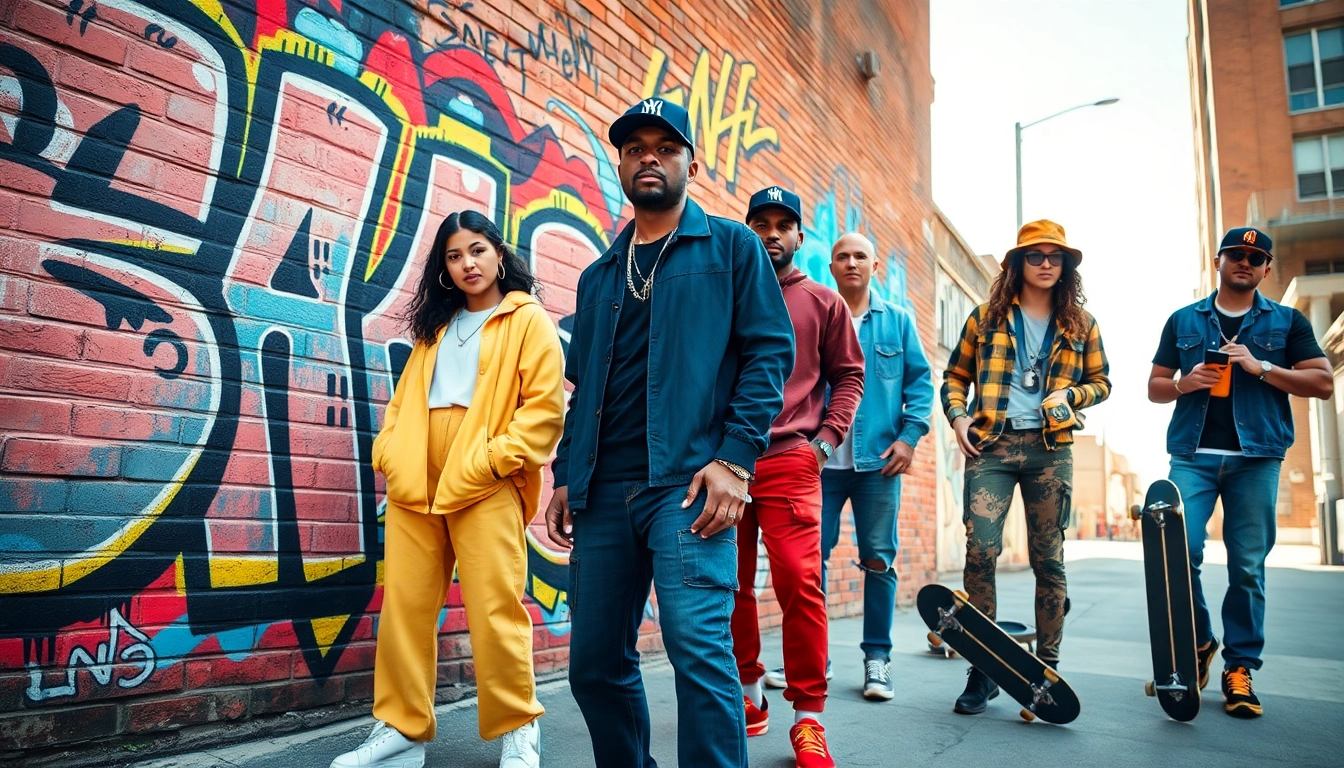
Streetwear is more than just a fashion trend; it’s a cultural movement rooted in youth expression, art, and urban lifestyle. Emerging from the skateboarding and hip-hop scenes of the 1980s and 1990s, streetwear blends comfort and style, creating a unique aesthetic that resonates with diverse audiences. As we delve into the world of streetwear, we will explore its origins, key influences, and the factors that have helped it evolve into a global phenomenon. Whether you’re a long-time enthusiast or new to the scene, understanding the nuances of streetwear clothes can enhance your appreciation for this vibrant culture. When exploring options, streetwear clothes offers a comprehensive insight into these trends.
Origins and Evolution of Streetwear
The roots of streetwear can be traced back to the late 20th century, particularly in cities like New York and Los Angeles. Influential brands such as Stüssy and Supreme began as small businesses, often influenced by the local skate and hip-hop cultures. Over the years, streetwear has morphed significantly, incorporating elements from various subcultures, including punk, grunge, and even high fashion. This evolution reflects the dynamic nature of streetwear, as it continually adapts to societal changes and emerging trends. Today, streetwear is characterized by bold graphics, oversized fits, and a focus on comfort, appealing to a wide array of consumers worldwide.
Key Figures Influencing Streetwear Trends
Numerous designers, artists, and celebrities have played pivotal roles in shaping streetwear trends. Figures like Hiroshi Fujiwara, often dubbed the ‘Godfather of Streetwear,’ have helped bridge the gap between street fashion and luxury. Collaborations between high-end brands and streetwear icons have further blurred the lines, making streetwear accessible to a broader demographic. Influencers on social media platforms also significantly impact trends, creating viral moments that can catapult brands to fame overnight. Understanding these key figures and their contributions is essential for anyone looking to grasp the full scope of streetwear culture.
The Role of Music and Art in Streetwear
Streetwear is deeply intertwined with music and art, forming a triad of influence that defines its identity. Hip-hop music, in particular, has been a driving force, with artists often using their platforms to showcase their personal styles and preferences. Artists like A$AP Rocky and Tyler, The Creator have not only influenced fashion through their music but have also launched their lines, cementing their status as style icons. Concurrently, street art has contributed to the aesthetics of streetwear, with graffiti-inspired designs becoming staples in various collections. This blend of music, art, and fashion underpins the essence of streetwear, making it a vibrant canvas for creativity and expression.
Defining Streetwear Clothes
At its core, streetwear clothing reflects a particular lifestyle and attitude characterized by individuality and self-expression. The garments are often designed to be both stylish and functional, catering to a casual yet urban aesthetic. But what exactly sets streetwear apart from other fashion styles? Understanding its core characteristics is essential for anyone looking to embrace this unique approach to apparel.
Core Characteristics of Streetwear Apparel
Streetwear is characterized by several key attributes that distinguish it from traditional fashion. These include:
- Casual Aesthetic: Typically featuring relaxed fits and comfortable materials, streetwear prioritizes ease of movement.
- Bold Graphics: Many streetwear pieces are adorned with graphic designs or logos, often reflecting pop culture, art, or personal statements.
- Limited Releases: Many streetwear brands operate on a drop model, releasing limited quantities of products to create exclusivity and hype.
- Collaborative Spirit: Collaborations between brands, artists, and influencers are commonplace, often resulting in unique and sought-after pieces.
Streetwear vs. Fast Fashion: What’s the Difference?
While streetwear and fast fashion may share some similarities, particularly in their accessibility, they often stand on opposite ends of the ethical and quality spectrum. Streetwear tends to prioritize quality over quantity, often utilizing better materials and craftsmanship. In contrast, fast fashion focuses on rapid production at a lower cost, leading to a higher turnover of styles but often at the expense of sustainability and ethical practices. Understanding these differences is essential for consumers navigating the ever-evolving fashion landscape.
Must-Have Streetwear Essentials for Every Wardrobe
As you start building your streetwear wardrobe, there are several essential items to consider. These staples will not only enhance your style but also provide versatile options to mix and match:
- Graphic Tees: A foundational piece, graphic tees allow for personal expression through various designs and styles.
- Hoodies: Perfect for layering, hoodies are synonymous with streetwear and offer both comfort and style.
- Joggers: Comfortable yet stylish, joggers can be paired with various tops for a laid-back look.
- Sneakers: The ultimate streetwear accessory, a good pair of sneakers can elevate any outfit.
- Caps: From snapbacks to beanies, headwear is a crucial component of the streetwear aesthetic.
Shopping for Streetwear Clothes
With the surge in popularity of streetwear, shopping for these clothes has become easier yet more complex due to an influx of brands and online retailers. Knowing where to look can save time and ensure you find the best options for your style and budget.
Top Online Retailers for Streetwear in 2026
For those diving into the world of streetwear, several top online retailers stand out in 2026, offering a range of products and styles:
- Culture Kings – World renowned for offering a wide selection of streetwear, sneakers, and accessories.
- Streetwear Official – The largest online store for independent streetwear brands.
- Karmaloop – A go-to for exclusive streetwear brands and contemporary designs.
- Tillys – A great source for women’s streetwear apparel and trendy accessories.
- Zumiez – Known for skate and snow apparel, as well as streetwear essentials.
How to Identify Quality Streetwear Brands
Choosing quality streetwear brands involves looking beyond the surface-level aesthetics. Here are some indicators of a reputable brand:
- Material Quality: High-quality streetwear will often use durable and comfortable fabrics.
- Brand Story: Brands that share their story, ethos, and inspiration are often more connected to the culture they represent.
- Customer Reviews: Look for feedback on fit, quality, and service to gauge the brand’s reliability.
- Limited Releases: Brands that focus on limited drops often emphasize quality and exclusivity.
Affordable Streetwear: Best Budget-Friendly Options
Streetwear doesn’t have to break the bank. There are several budget-friendly options that provide style without compromising quality. Consider these brands:
- H&M: Known for its affordable graphic tees and joggers.
- Zara: Offers trendy pieces that are often inspired by streetwear aesthetics.
- Uniqlo: Offers functional basics that can be styled in various ways.
- ASOS: A wide range of brands, including affordable streetwear options.
Styling Streetwear Clothes
Successfully pulling off the streetwear look requires an understanding of how to mix and match pieces effectively. The essence of streetwear lies in self-expression, so don’t be afraid to experiment with different styles and combinations.
How to Mix and Match Streetwear Pieces
Mixing and matching streetwear involves more than simply throwing on a few items; it’s about creating a cohesive look. Consider these tips:
- Layering: Experiment with layering different lengths and textures for added depth.
- Color Coordination: Choose a color palette that harmonizes your outfit while allowing for bold statement pieces.
- Balance Fitted and Oversized: Pair oversized items with more fitted pieces to create a balanced silhouette.
Accessorizing Your Streetwear Look
Accessories play a significant role in enhancing your streetwear attire. Here are some ideas:
- Sneakers: Choose a pair that aligns with your style — from classic to high-fashion.
- Bags: Crossbody bags or backpacks can add functionality without sacrificing style.
- Jewelry: Minimalist pieces or statement items can elevate your look.
Streetwear for Different Body Types and Personal Styles
Streetwear is versatile and can be adapted to suit various body types and personal styles. Here are some tips:
- Know Your Silhouette: Understand what styles suit your body type and enhance your features.
- Experiment with Proportions: Play with different lengths and fits to find a look that feels comfortable and stylish.
- Stay True to Yourself: Ultimately, streetwear should reflect your personal style, so choose pieces that make you feel confident.
The Future of Streetwear Clothes
As we move into 2026 and beyond, the future of streetwear looks promising, with several trends and innovations on the horizon. Keeping an eye on these developments can help you stay ahead in the streetwear game.
Emerging Trends to Watch in 2026 and Beyond
Fashion is always changing, and streetwear is no exception. Some trends to watch for include:
- Gender-Neutral Designs: Many brands are focusing on unisex clothing, breaking traditional gender norms.
- Technologically Enhanced Fabrics: Smart textiles are beginning to emerge, offering functionality and performance.
- Vintage Revival: As trends cycle, expect to see a resurgence of 90s and early 2000s influences.
How Sustainability is Shaping Streetwear Fashion
With increasing awareness of environmental issues, sustainability is becoming a focal point within the streetwear industry. Brands are beginning to prioritize eco-friendly materials and ethical production practices. This shift not only appeals to conscious consumers but also sets a new industry standard, prompting others to follow suit.
Predictions for Streetwear Influenced by Technology
Looking ahead, technology is poised to transform streetwear in several ways. From virtual fashion shows to augmented reality experiences, tech innovations will likely reshape how consumers interact with streetwear. Additionally, developments in e-commerce and digital marketing will allow brands to reach consumers more effectively, personalizing shopping experiences like never before.